Lost-wax Casting
A method of making metal sculptures by creating a wax model, covering it in clay, melting the wax out, and pouring molten metal into the mold.
What is it?
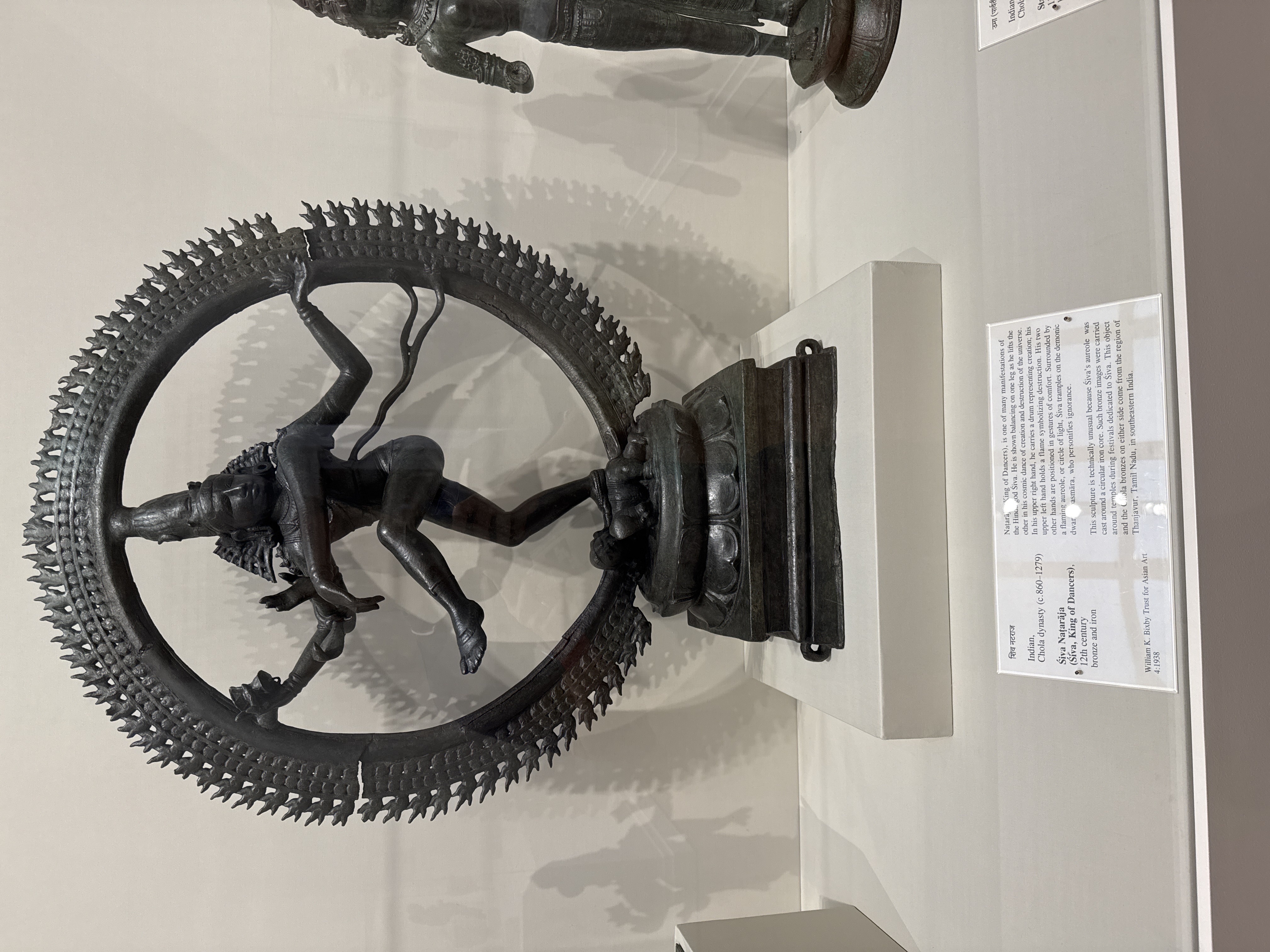
Lost-wax casting is an ancient technique used to make detailed metal objects. First, an artist makes a model out of wax. Then they cover it with clay and heat it, which hardens the clay and melts the wax out, leaving a hollow mold. Molten metal (like bronze) is poured into the mold. After it cools, the clay is broken away to reveal the metal sculpture. The Chola artists used this technique to make the Nataraja statue you captured. The statue is made of bronze and iron, and the lost-wax method allowed for its intricate details.
Why it matters
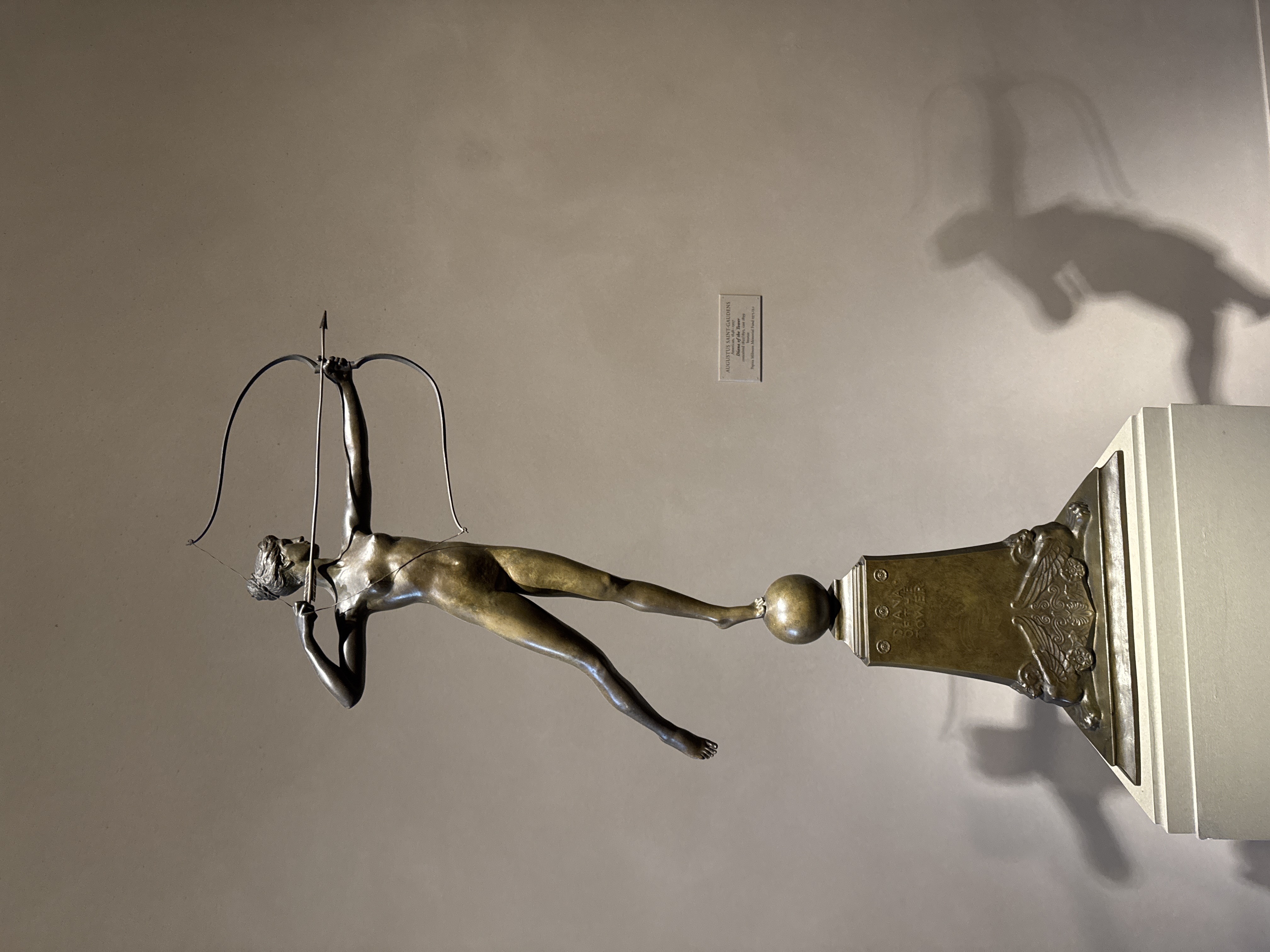
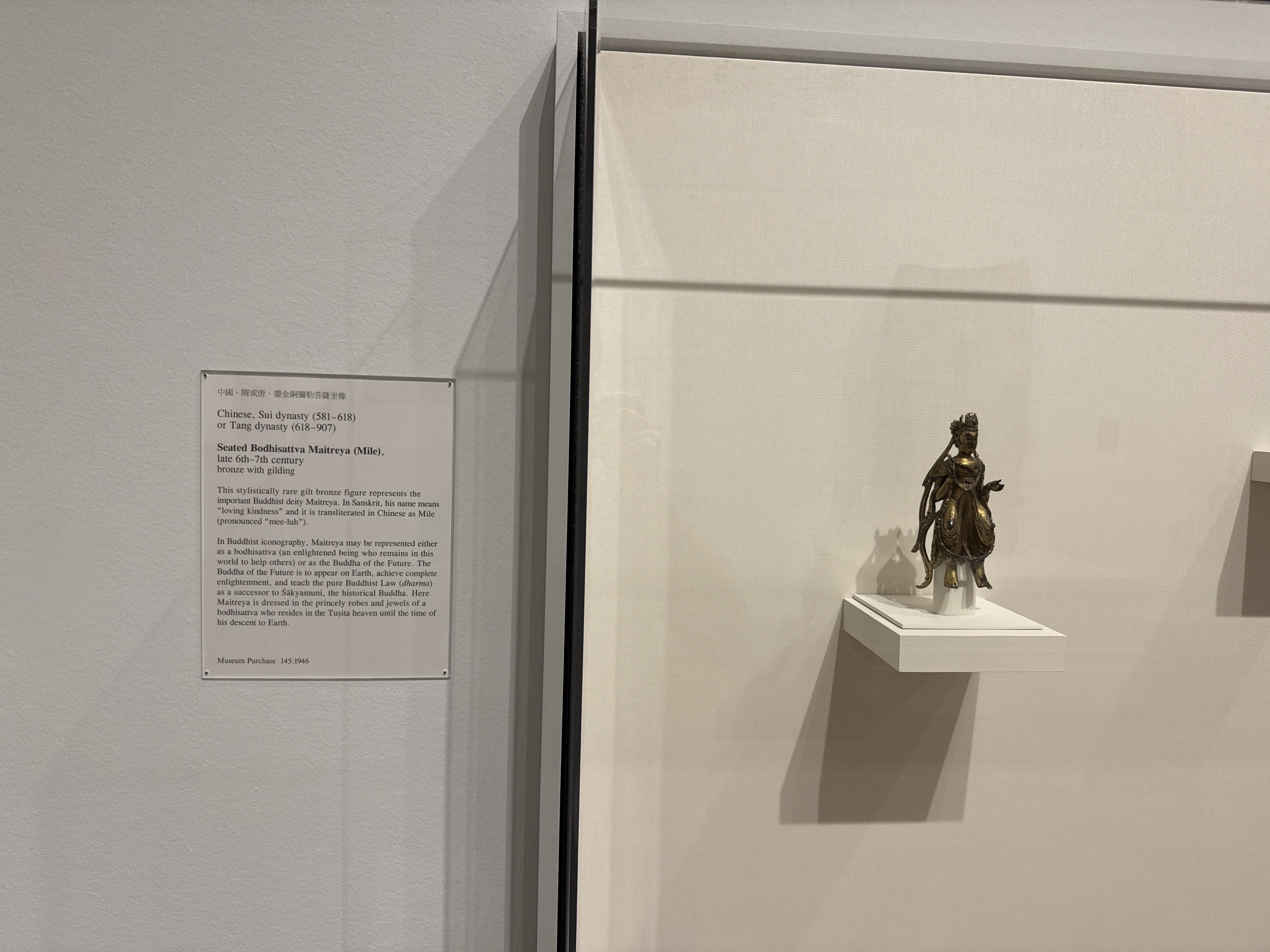
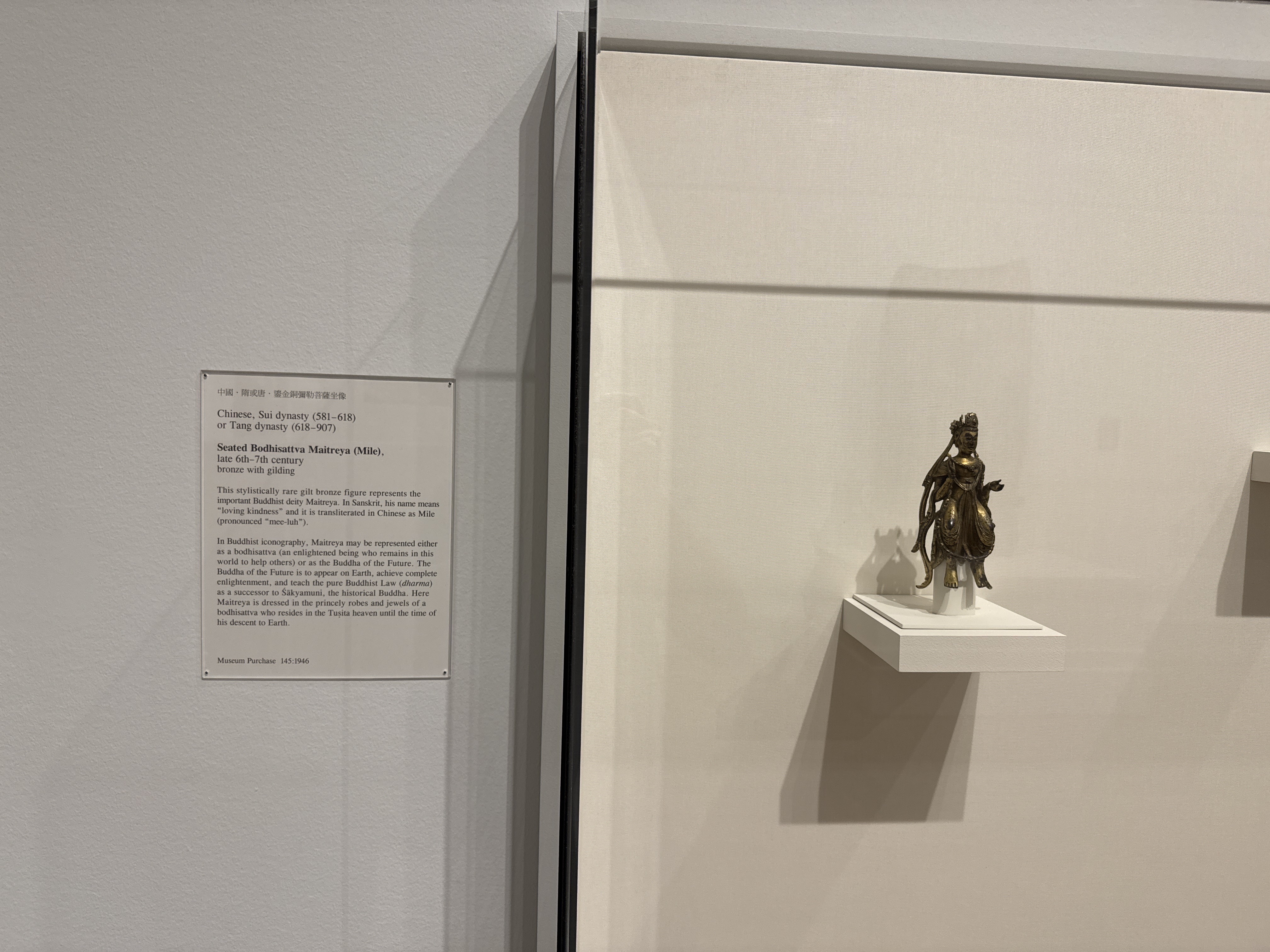
Lost-wax casting allows artists to create very detailed and complex shapes that would be difficult to make by other methods. It has been used for thousands of years to create some of the world's most famous sculptures.
Where you've seen it
This list grows as you capture more objects made with lost-wax casting.
Related
失蜡法
一种制作金属雕塑的方法:先制作蜡模,用粘土包裹,加热使蜡熔化流出,然后倒入熔化的金属。
这是什么?
失蜡法是一种用于制作精细金属物品的古老技术。首先,艺术家用蜡制作模型。然后,用粘土包裹并加热,使粘土硬化,蜡熔化流出,留下空腔。将熔化的金属(如青铜)倒入模具。冷却后,打碎粘土,露出金属雕塑。朱罗艺术家使用这种技术制作了你捕捉的舞王雕像。雕像由青铜和铁制成,失蜡法使其细节精致。
为什么重要
失蜡法使艺术家能够制作非常精细和复杂的形状,这些形状用其他方法很难制作。几千年来,它一直被用来制作一些世界上最著名的雕塑。
你在哪里见过它
当你捕捉更多用失蜡法制作的物品时,这个列表会增长。