Post-Impressionism
An art style after Impressionism where artists used bright colors and thick paint to show feelings, not just what they saw.
What is it?
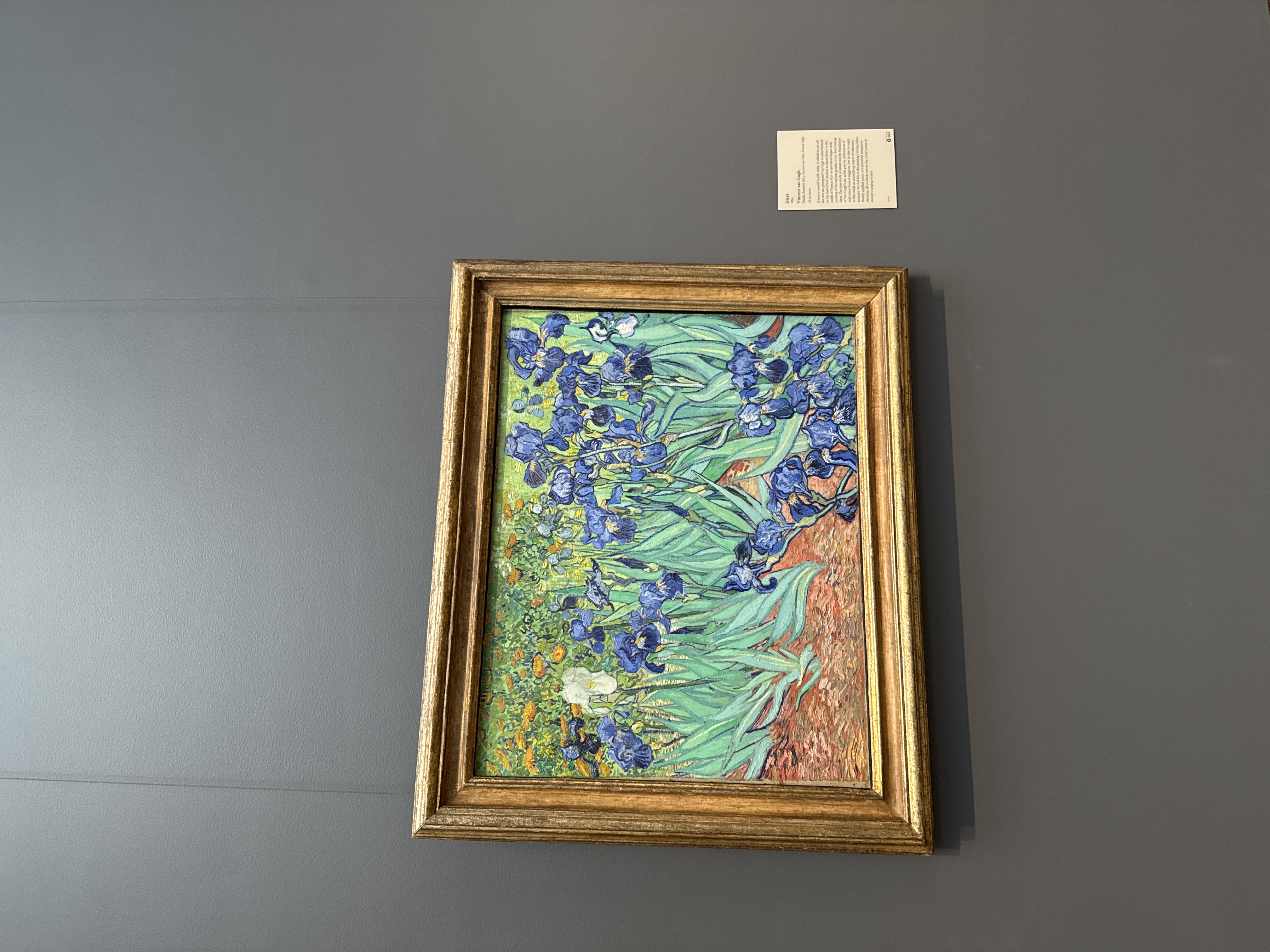
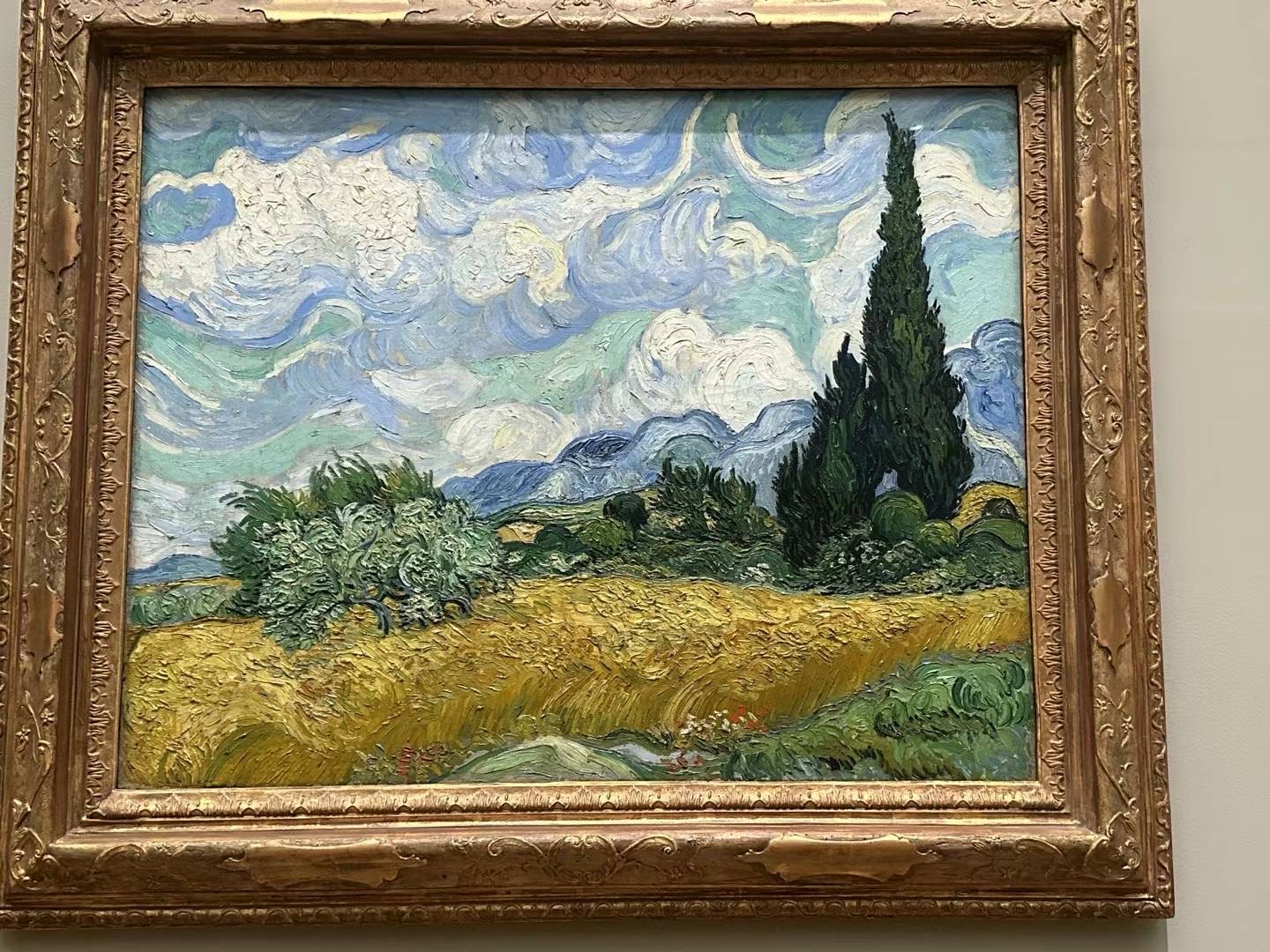
Post-Impressionism is an art movement that started in France in the late 1800s. Artists like Vincent van Gogh, Paul Cézanne, and Georges Seurat built on Impressionism but added more emotion and structure. They used bold colors, thick paint, and strong lines. Van Gogh's paintings, like "Wheat Field with Cypresses," are great examples: the swirling sky and bright colors show his inner feelings. Post-Impressionist artists wanted to express their personal vision of the world.
Why it matters
Post-Impressionism led to many modern art styles, like Expressionism and Fauvism. It showed that art could be about the artist's emotions, not just realistic scenes.
Where you've seen it
This list grows as you capture more Post-Impressionist artworks.
Related
后印象派
印象派之后的一种艺术风格,艺术家使用明亮的色彩和厚颜料来表达情感,而不仅仅是他们看到的东西。
这是什么?
后印象派是19世纪末在法国兴起的一场艺术运动。像文森特·梵高、保罗·塞尚和乔治·修拉这样的艺术家在印象派的基础上增加了更多的情感和结构。他们使用大胆的色彩、厚颜料和强烈的线条。梵高的画作,如《麦田与柏树》,是很好的例子:旋转的天空和明亮的色彩展现了他内心的感受。后印象派艺术家想要表达他们对世界的个人看法。
为什么重要
后印象派引领了许多现代艺术风格,如表现主义和野兽派。它表明艺术可以关乎艺术家的情感,而不仅仅是真实的场景。
你在哪里见过它
当你捕捉更多后印象派作品时,这个列表会增长。