Hellenistic Art
An art style from ancient Greece (about 300–30 BCE) that showed strong emotions, movement, and realistic details.
What is it?
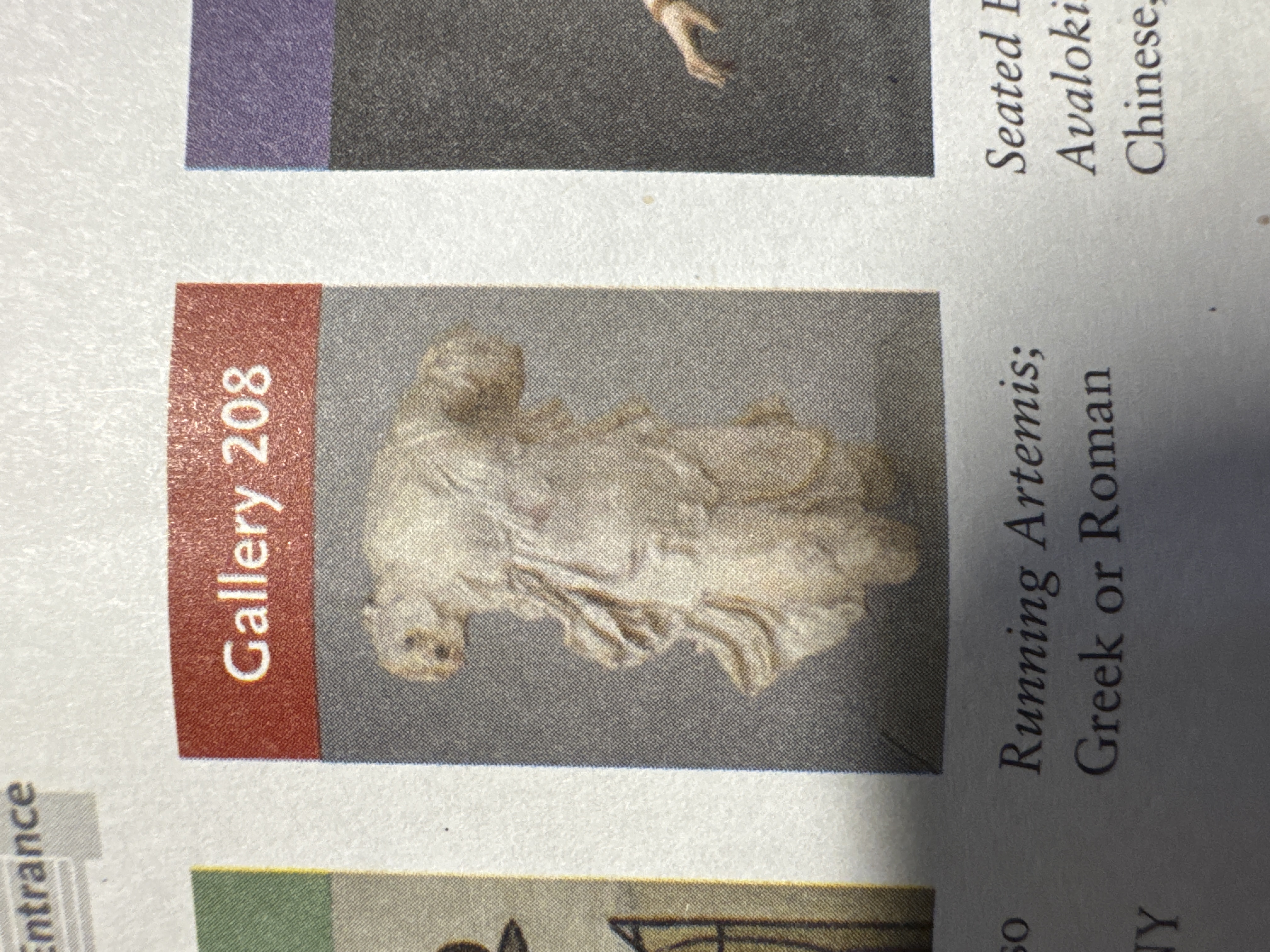
Hellenistic art came after the Classical period. Artists wanted to show real people with feelings. They made statues that looked like they were moving, twisting, and even suffering. The statue of Artemis running is a good example. Her body is twisted, and her muscles are tense. This style was very popular and influenced Roman art.
Why it matters
Hellenistic art changed how people made sculptures. It showed that art could be dramatic and emotional. Many famous statues, like the Venus de Milo, are from this period.
Where you've seen it
This list grows as you capture more Hellenistic artworks.