Evolution
The process by which living things change over many generations to become better suited to their environment.
What is it?
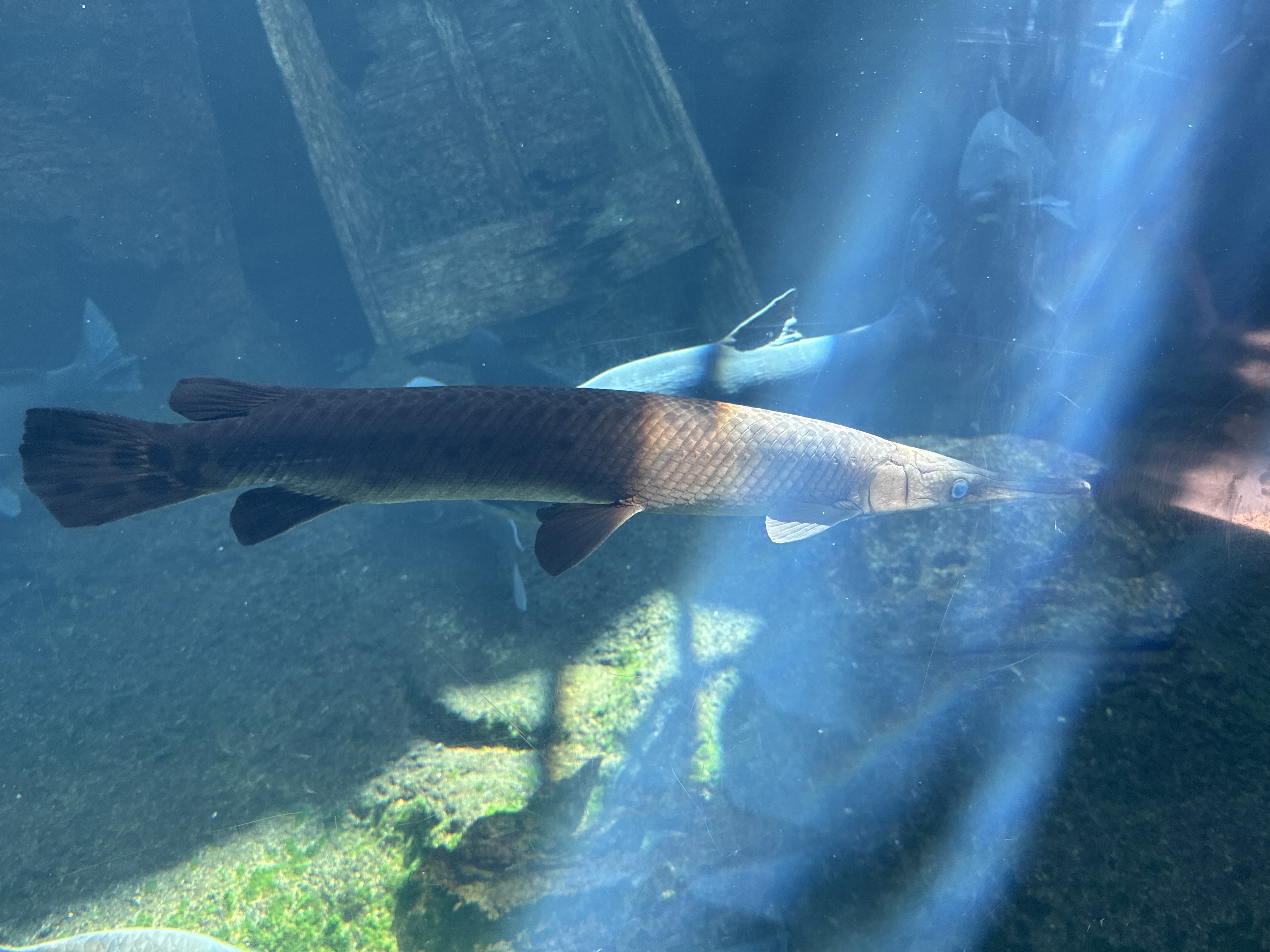
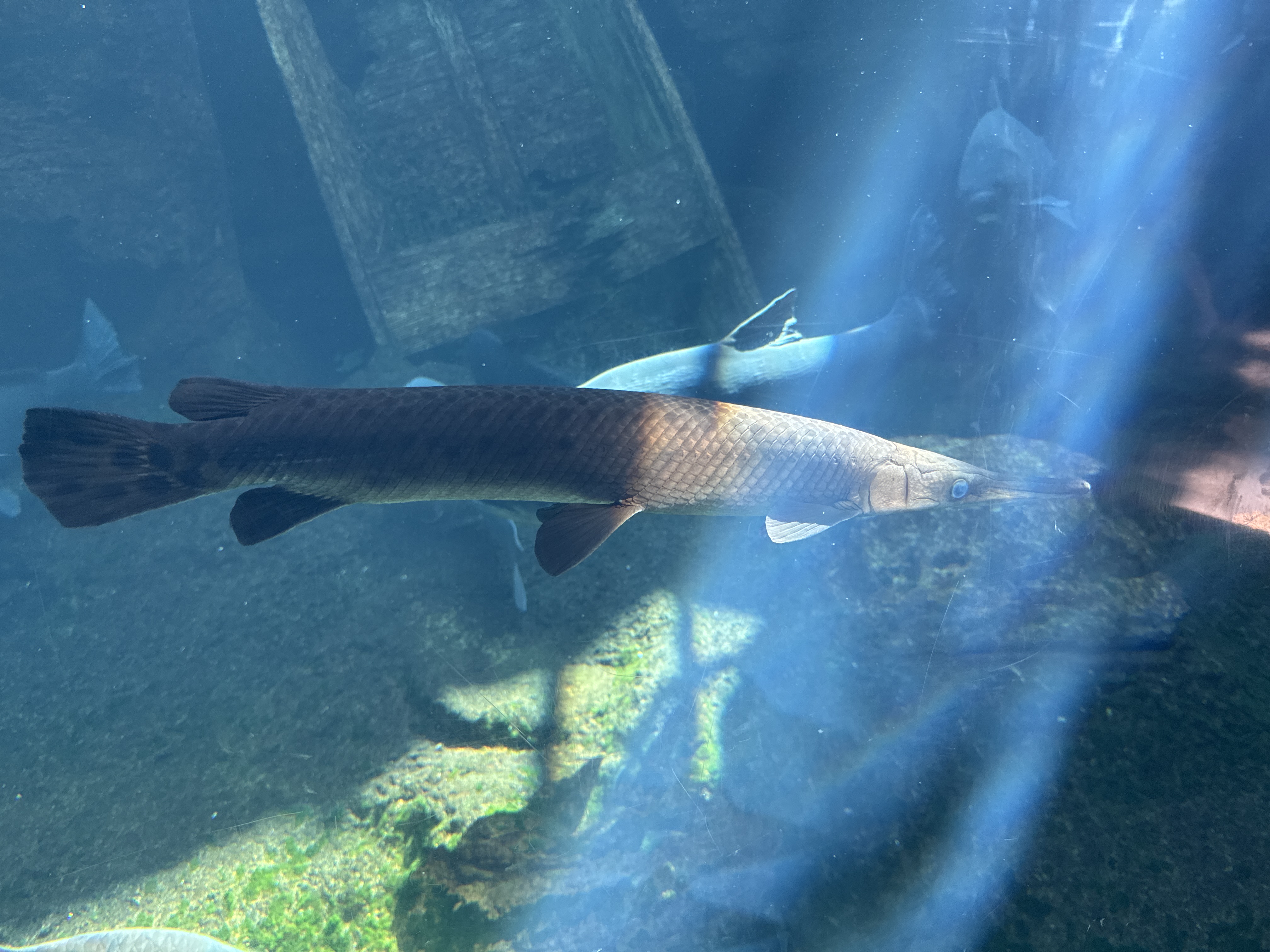
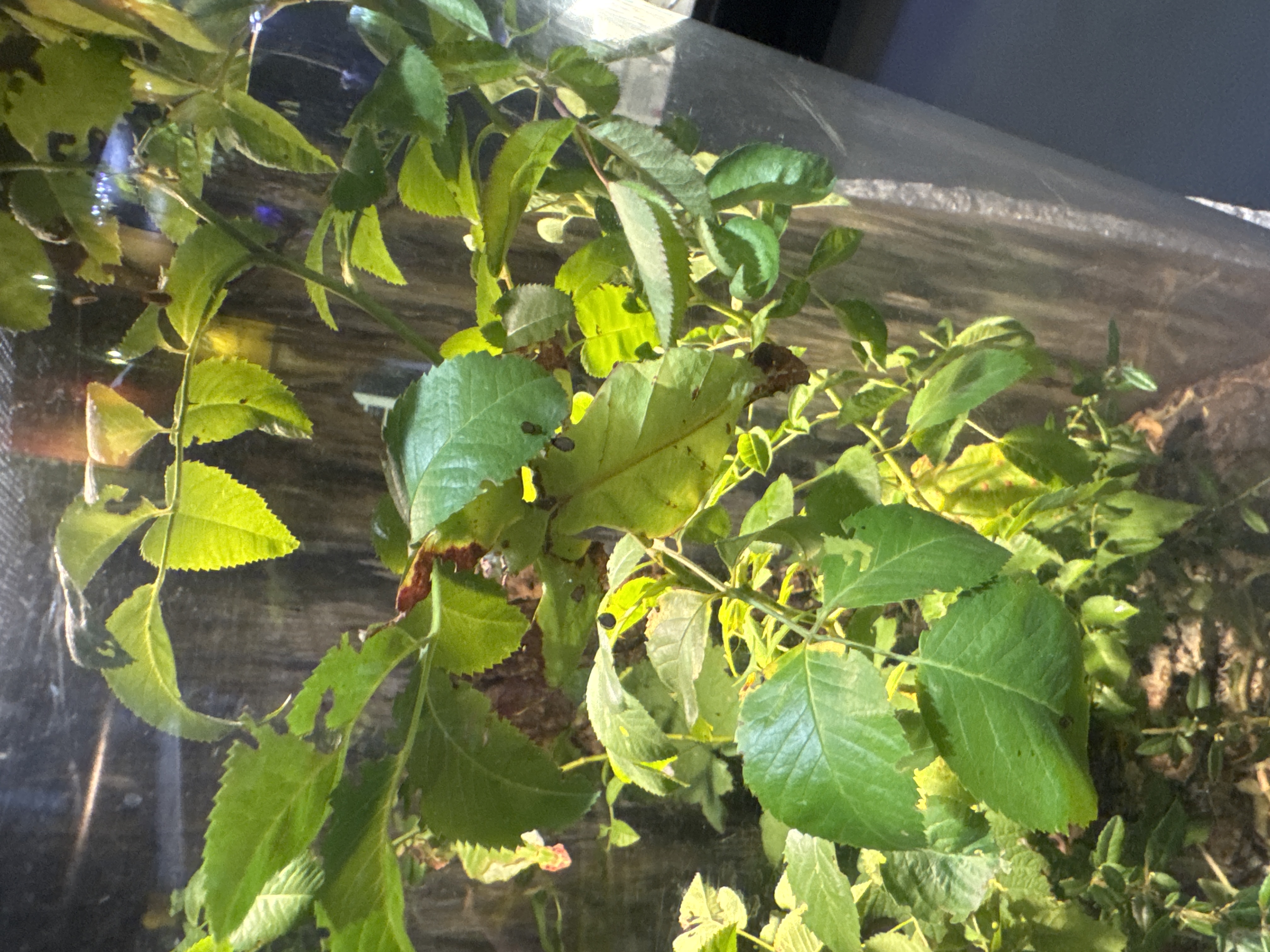
Evolution is how species change over time. It happens through natural selection, where individuals with traits that help them survive are more likely to reproduce. Over millions of years, this can lead to new species. The gar fish is an example of a species that has changed very little over millions of years, showing that evolution can also mean staying the same if the environment is stable. You learned that gar fish are living fossils that have remained almost unchanged since the Cretaceous period, which is a special case of evolutionary stasis. Leaf insects evolved their leaf-like appearance over millions of years to avoid predators.
Why it matters
Evolution explains the diversity of life on Earth. It helps us understand why animals look and behave the way they do. It also helps scientists develop medicines and understand diseases.
Where you've seen it
This list grows as you capture more exhibits about evolution.
Related
进化
生物经过许多代变化以更好地适应环境的过程。
这是什么?
进化是物种随时间变化的方式。它通过自然选择发生,具有帮助生存特征的个体更有可能繁殖。经过数百万年,这可以导致新物种。雀鳝鱼是一个数百万年变化很小的物种的例子,表明如果环境稳定,进化也可以意味着保持不变。你了解到雀鳝鱼是活化石,自白垩纪以来几乎没有变化,这是进化停滞的一个特例。叶形昆虫经过数百万年进化出叶子般的外观以避免捕食者。
为什么重要
进化解释了地球上的生命多样性。它帮助我们理解为什么动物看起来和行为方式如此。它也帮助科学家开发药物和理解疾病。
你在哪里见过它
当你捕捉更多关于进化的展品时,这个列表会增长。