Abstract Expressionism
An art style from the 1940s and 1950s where artists used bold colors and spontaneous brushstrokes to express emotions, without painting realistic objects.
What is it?
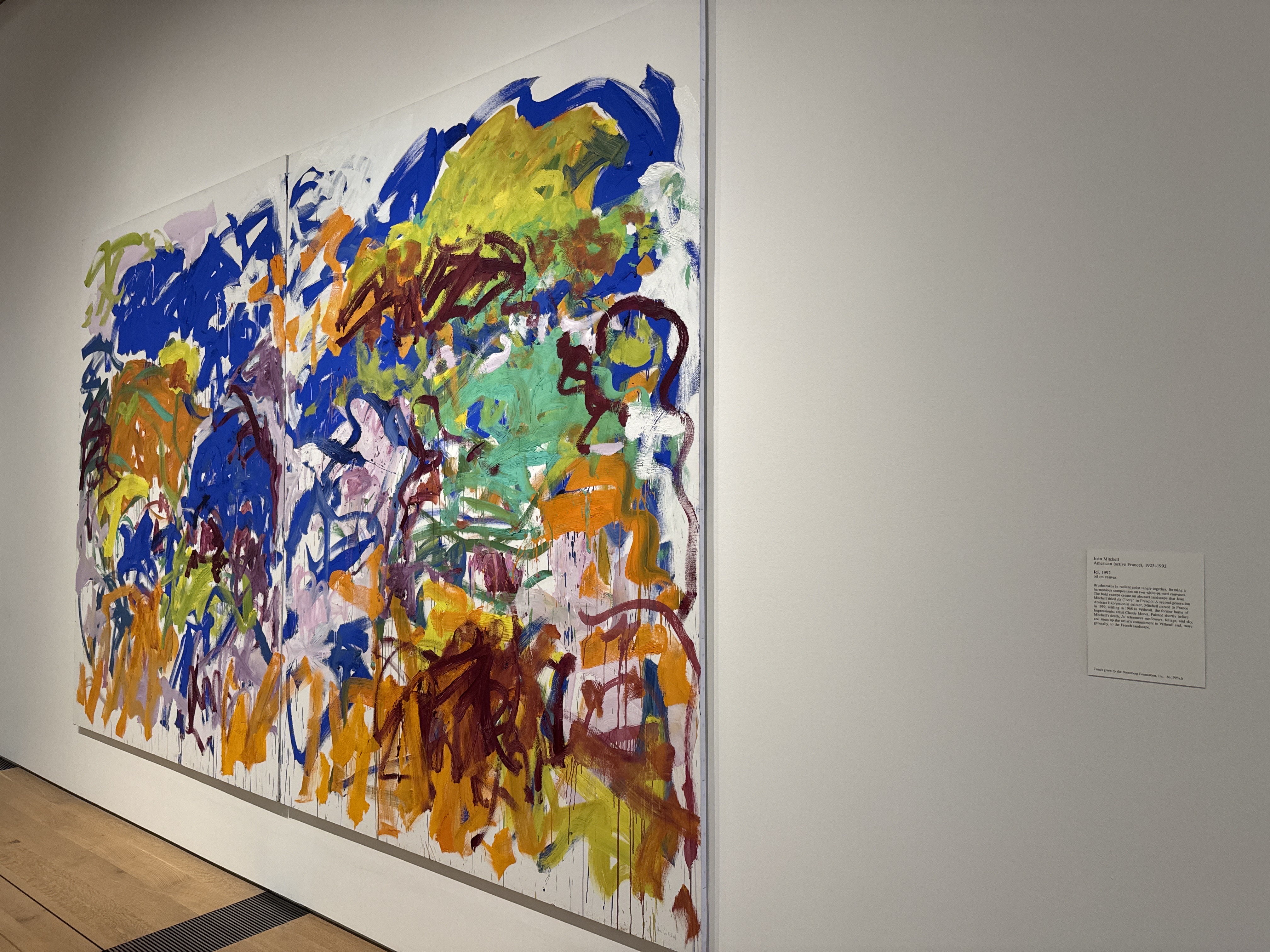
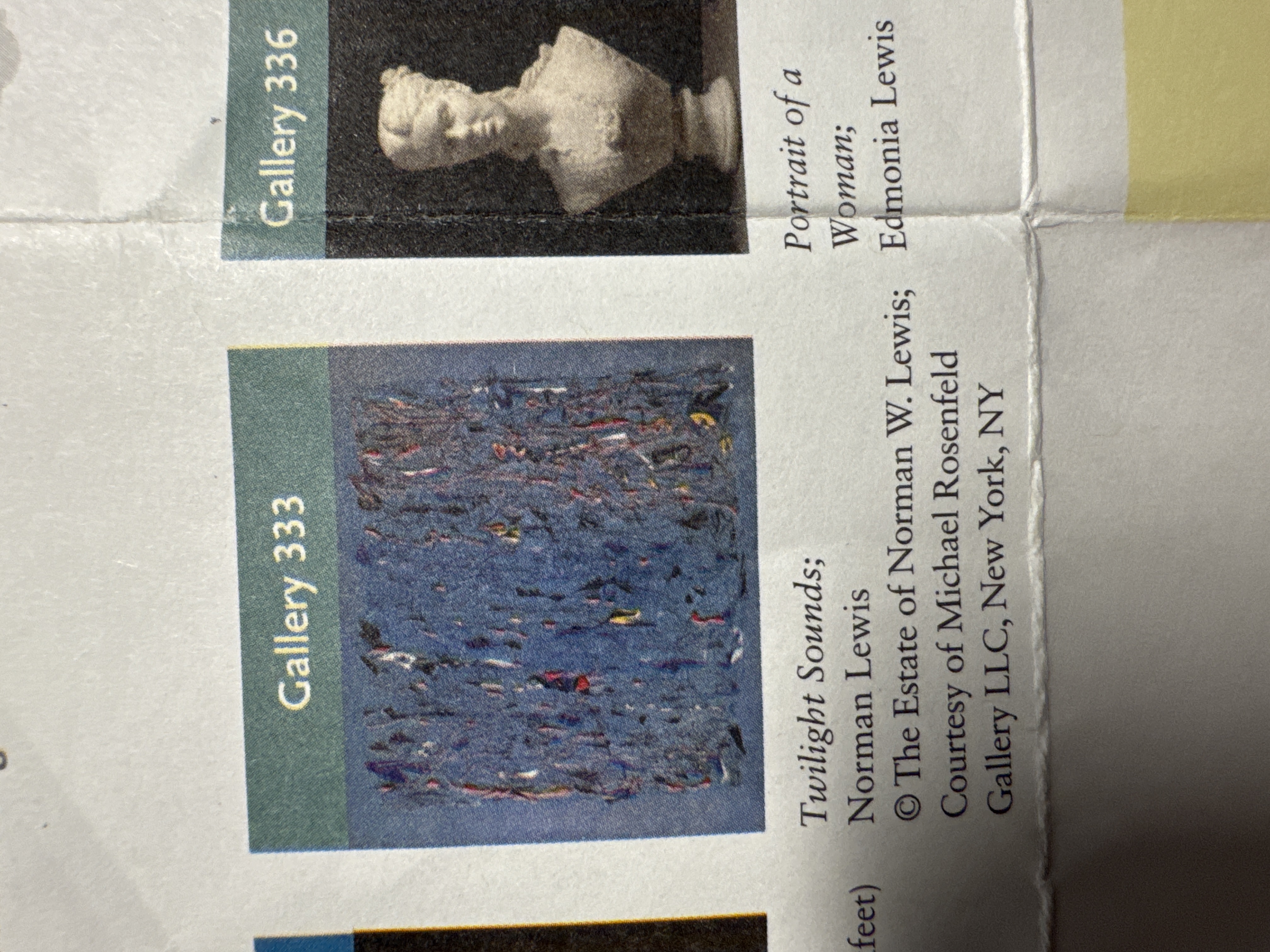
Abstract Expressionism started in New York after World War II. Artists like Jackson Pollock, Willem de Kooning, and Mark Rothko created large paintings that focused on color, texture, and gesture. They wanted to show their inner feelings directly on the canvas. The painting you captured is an example of this style.
Why it matters
Abstract Expressionism made New York the new center of the art world. It showed that art could be about emotion and process, not just pictures of things. It influenced many later art movements.
Where you've seen it
This list grows as you capture more abstract expressionist works.