Symbolism of Animals
The use of animals in art and culture to represent ideas, feelings, or values.
What is it?
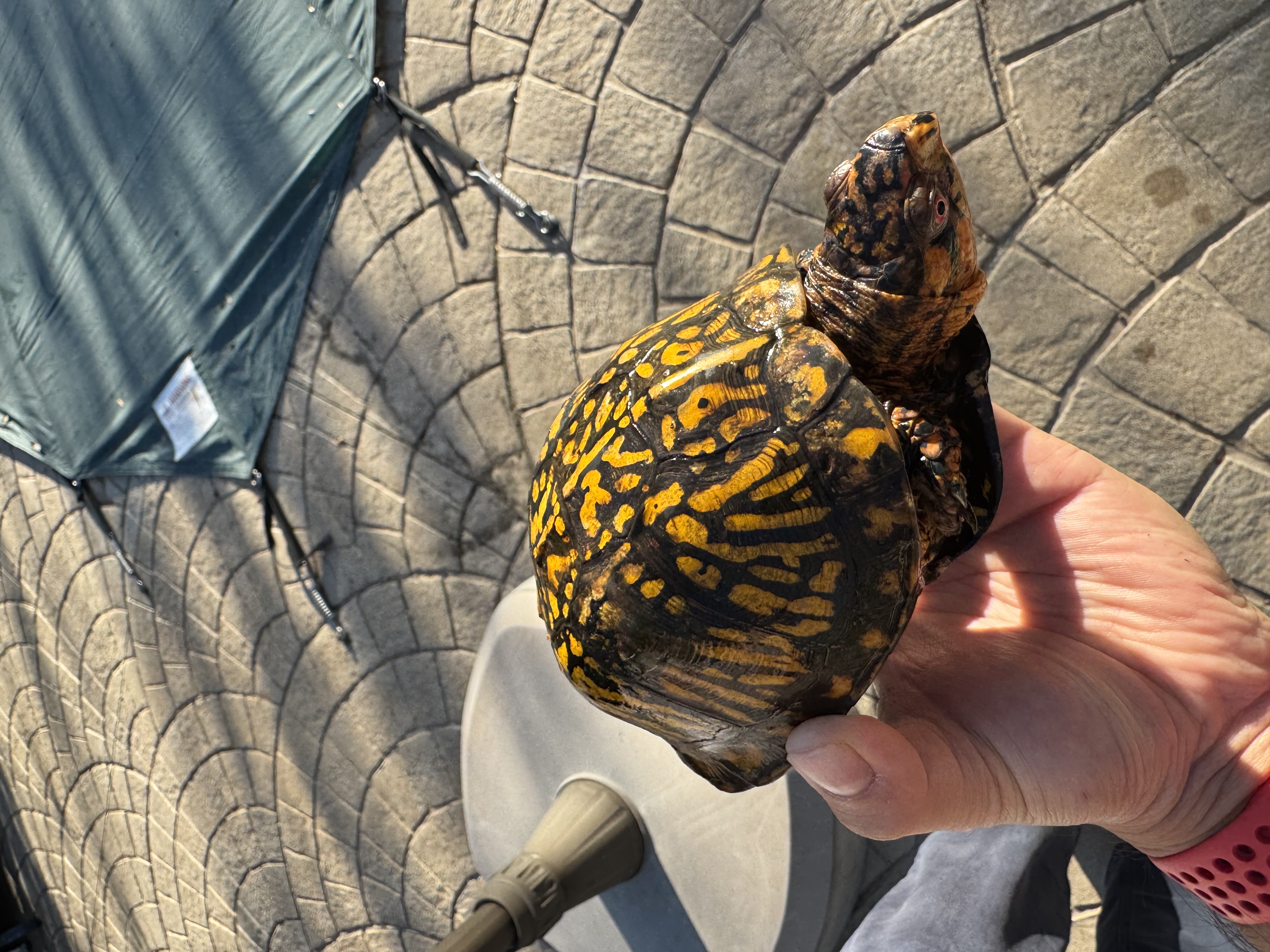
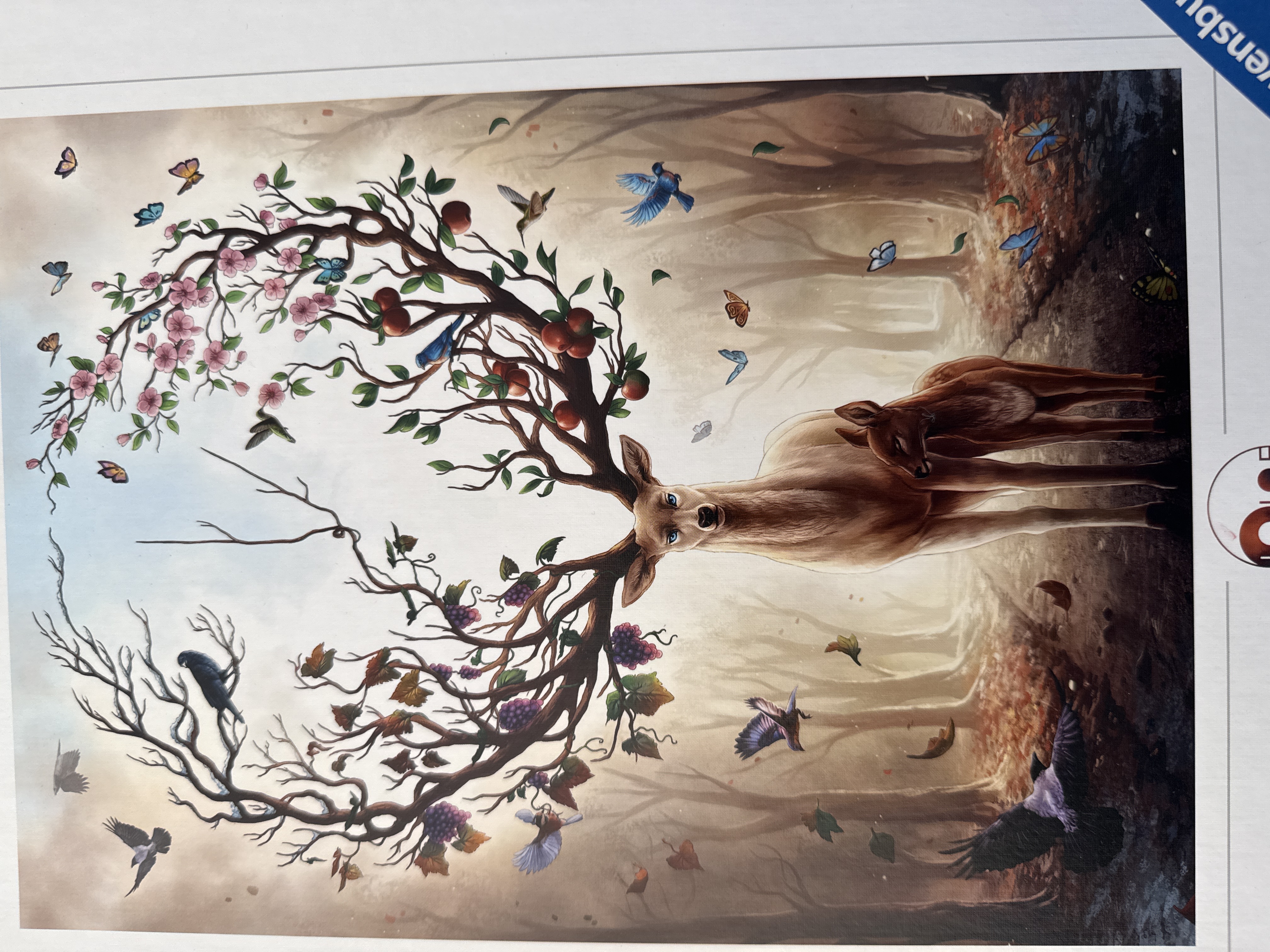
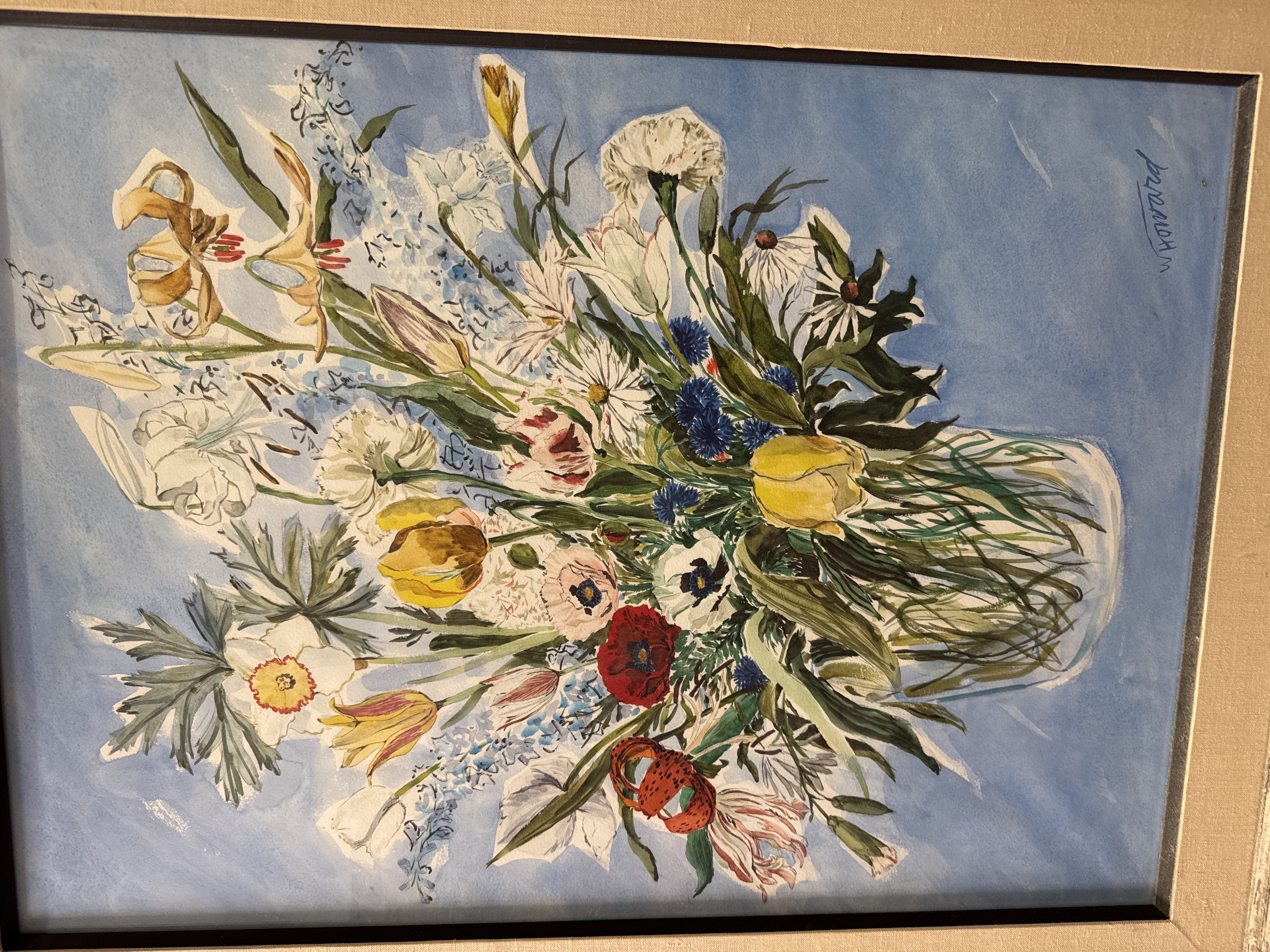
Animals often stand for something more than themselves. For example, a turtle can symbolize wisdom, patience, and long life. In Chinese culture, the turtle is a symbol of stability and longevity. In many Native American traditions, the turtle represents Mother Earth. Artists and storytellers use animals to teach lessons and share beliefs. In the painting of the stag and fawn, the stag might symbolize grace, strength, and the connection between earth and sky, while the fawn represents innocence and new life. The antlers, decorated with plants and animals, show the stag as a symbol of life and nature's abundance. Flowers also have symbolic meanings: tulips often symbolize happiness and love, and other flowers can represent different emotions and seasons.
Why it matters
Understanding animal symbolism helps you understand stories, artworks, and traditions from around the world. It also helps you see how people connect with nature.
Where you've seen it
This list grows as you capture more artworks and objects with animal symbolism.
Related
动物的象征意义
在艺术和文化中使用动物来代表思想、情感或价值观。
这是什么?
动物常常代表超越自身的东西。例如,乌龟可以象征智慧、耐心和长寿。在中国文化中,乌龟是稳定和长寿的象征。在许多美洲原住民传统中,乌龟代表地球母亲。艺术家和讲故事的人用动物来传授经验和分享信仰。在雄鹿和小鹿的画中,雄鹿可能象征优雅、力量以及天地之间的联系,而小鹿代表纯真和新生命。装饰着植物和动物的鹿角,显示雄鹿是生命和自然丰饶的象征。花朵也有象征意义:郁金香常象征幸福和爱情,其他花朵可以代表不同的情感和季节。
为什么重要
了解动物象征意义有助于你理解世界各地的故事、艺术品和传统。它还能帮助你看到人们如何与自然联系。
你在哪里见过它
当你捕捉更多带有动物象征意义的艺术品和物品时,这个列表会增长。